Daniel H. Fine, DO – Department of Oral Biology, Rutgers Health School of Dental Medicine

Professor and Chair

My life with Aggregatibacter actinomycetemcomitans: A low level microbe and social “influencer” with distinctive attributes. My research has centered on studying an oral infectious disease that can have severe consequences

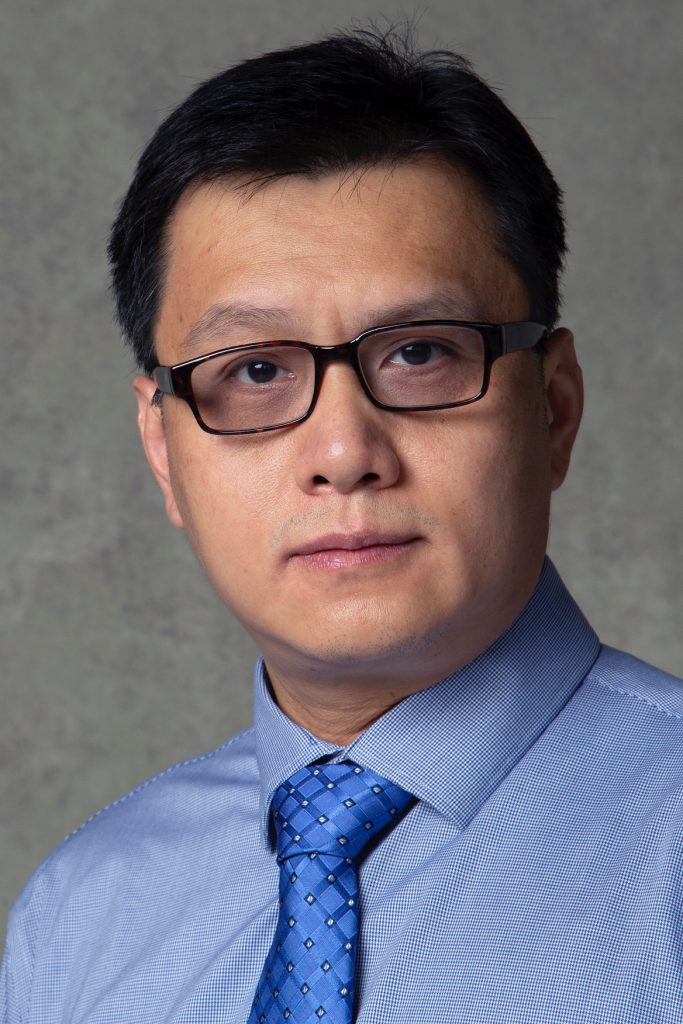
Dina M. Fonseca, PhD – Department of Entomology, Graduate Program in Ecology & Evolution, Graduate Program in Microbiology, Rutgers University Center for Vector Biology

Professor and Director

I am a tenured professor in the Department of Entomology at Rutgers University School of Environmental and Biological Sciences and a member of the graduate programs in Entomology, Ecology and


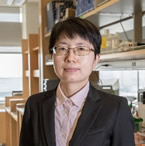
Nan Gao, PhD – Department of Pharmacology, Physiology & Neuroscience, Rutgers Health New Jersey Medical School

Professor

Current research in my laboratory is to understand how human commensal and pathogenic microbes communicate with intestinal mucosal cells, how environmental stressors alter such microbe-host interactions, and how altered microbe-host


Sunanda Gaur, MD – Division of Allergy, Immunology and Infectious Disease, Department of Pediatrics, Rutgers Health Robert Wood Johnson Medical School

Professor

Dr. Gaur has been working with children and families with HIV/AIDS since 1983 when the first child was diagnosed with AIDS in central New Jersey. She has been the Director


Beatrice Haimovich, PhD – Department of Surgery, Rutgers Health Robert Wood Johnson Medical School

Associate Professor

Cell adhesion to the extracellular matrix substratum affects multiple cellular responses that include gene expression, differentiation, cell viability and morphology. Our long term goal is to identify the intracellular signals


Pingping Hou, PhD – Center for Cell Signaling, Department of Microbiology, Biochemistry & Molecular Genetics

Assistant Professor

The RTK-RAS-MAPK pathway is the most frequently altered signaling pathway at the rate of 46% across all cancer types. KRAS alternation is the top common event across all samples at


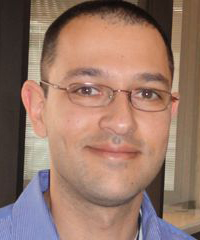
Scott Kachlany, PhD – Center for Oral Infectious Diseases, Rutgers Health School of Dental Medicine; Center for Immunity & Inflammation, Rutgers Health New Jersey Medical School

Associate Professor

Bacteria as anticancer agents. For many years, bacteria and their toxins have been investigated for their anticancer activities. In the 1970s, bacteria (such as non-pathogenic Clostridium) were used for the


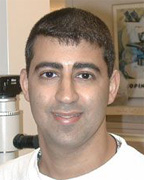
Daniel E. Kadouri, MSc, PhD – Department of Oral Biology, Rutgers Health School of Dental Medicine, Center for Oral Infectious Diseases

Associate Professor

My lab focuses on the interaction of biofilms and predatory prokaryotes. Most bacteria found in natural or industrial settings persist in complex microbial communities attached to surfaces or associated with


Sergei V. Kotenko, PhD, MS – Department of Microbiology, Biochemistry and Molecular Genetics Center for Immunity and Inflammation

Research in my lab is aimed to advance our knowledge of the complex role played by various cytokines in the regulation of the immune response to and in the pathogenesis


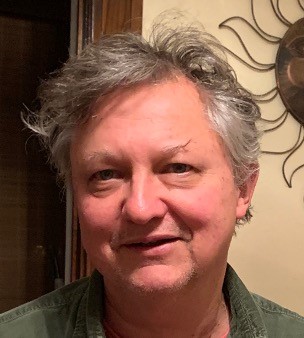
Alexander W. Kusnecov, PhD – Psychology Department Behavioral and Systems Neuroscience Rutgers University

Professor

Dr. Kusnecov received his Ph.D. in 1990 from the University of Newcastle, New South Wales, Australia, and pursued postdoctoral research in psychoneuroimmunology in the Department of Psychiatry, University of Rochester